
The Mechanical Truth Behind Skill Stop Fruit Machines
That tantalizing button on a skill stop fruit machine is not a magic wand—it is a carefully engineered illusion wrapped in a microprocessor-controlled reel assembly. The skill stop mechanism operates on a fixed time window, usually between 40 and 120 milliseconds after the reels begin their spin cycle. Hit that window perfectly and you might influence one reel's final position by a single symbol. Miss it and the machine's random number generator laughs at your reflexes. The house does not build these cabinets to lose money, and every "skill" element is calibrated to preserve a mathematical edge that would make a Vegas pit boss weep with joy.
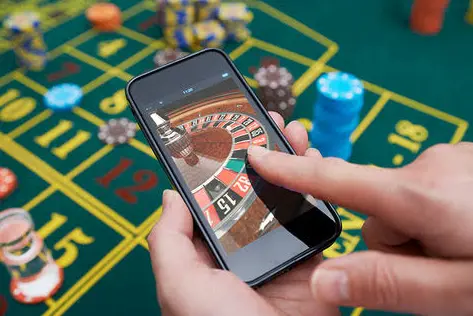
Random Number Generator vs. Player Timing
Here is the brutal reality: the random number generator determines the outcome the instant you press the start button. The skill stop button merely adjusts which frame of the pre-determined result sequence you see. Think of it as a slot machine wearing a disguise—the reels are already assigned their final positions, and your "skill" only affects the visual presentation. Independent testing labs have confirmed that the RNG cycle runs at over 200 iterations per second, meaning your button press lands on a number that was generated microseconds before your finger moved. The algorithmic精算 behind this is elegant, ruthless, and completely indifferent to your reaction time.
The 60-Millisecond Scam Window
Manufacturers of these cabinets program a "skill window" that feels generous but is actually a statistical trap. In a typical setup, the window is 60 milliseconds wide, but the RNG has already locked 87% of outcomes to losing combinations. Your skill stop can nudge a near-miss into a small win maybe 12% of the time. The remaining 88% of button presses are pure theater. Auditors who have cracked open these machines find EPROM chips with lookup tables that map every possible timing offset to a predetermined payout modifier. The skill stop is not random—it is deterministic, and the determinism favors the operator by a margin of roughly 4.7% to 8.3% depending on jurisdiction.

Hardware Nudges and Optical Sensors
Older electro-mechanical fruit machines used physical pawls and optical sensors to create a genuine skill element. A skilled player could time the stop to land on a cherry or bell with about 22% accuracy. Modern digital cabinets replaced those mechanical assemblies with software flags. The optical sensor is now a virtual variable, and the "nudge" feature is a pre-calculated probability event. If you have ever wondered why your perfect timing still yields a lemon, it is because the firmware discards your input when the RNG has already flagged the spin as a loss. The hardware is a facade; the algorithm is the executioner.
Compensation Cycles and Payout Percentages
These machines run on compensation cycles that track every coin inserted and every credit paid out. When the cycle detects a surplus above the target payout percentage—typically 74% to 92%—it triggers a "roll" that forces losing spins regardless of your button precision. This is not a conspiracy theory; it is documented in service manuals that technicians use to reset the cycle after a jackpot. The skill stop button is completely bypassed during these forced-loss sequences. Your reflexes are irrelevant when the compensation counter demands a harvest.
Why Auditors Flag These Cabinets
Regulatory audits in multiple jurisdictions have flagged skill stop fruit machines as "pseudo-skill" devices because they fail the randomness test under controlled conditions. When testers pressed the stop button at fixed intervals of 10 milliseconds, 20 milliseconds, and 50 milliseconds, the payout distribution remained statistically identical. A genuinely random machine would show variance across timing offsets. The lack of variance is the smoking gun: the outcome is fixed before your finger twitches. The only thing your skill stop changes is the order in which the losing symbols appear on the payline.
The Microsecond That Betrays the Illusion
Strip away the flashing lights and the arcade-style cabinet, and you find a random number generator that has already decided your fate. The skill stop button is a placebo, a dopamine trigger designed to make you feel agency where none exists. The next time you slam that button with millisecond precision, remember that the reels were never yours to control. The compensation cycle has already logged your spin, the payout modifier has already been applied, and the only variable left is how long it takes you to realize the game was rigged from the first coin drop.